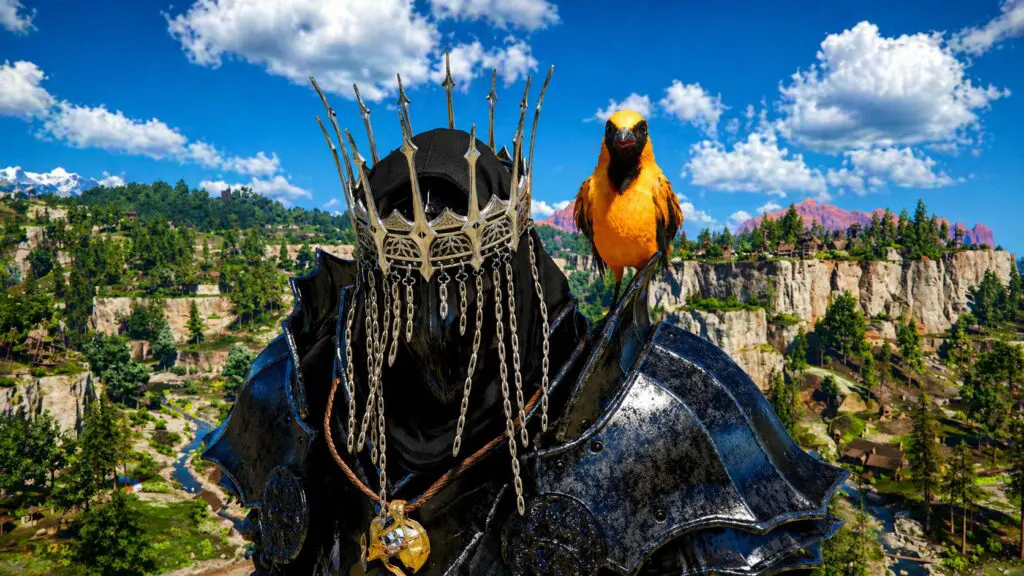
Bird pets in Crimson Desert work a lot like dogs and cats, sitting on your shoulder, picking up loot, and following you around as you explore. The difference is that they can fly, which makes them a pretty appealing companion option. With the latest update, the game added a dedicated bird taming system, and this guide walks you through exactly how to tame a bird.
Step 1: Get the Sotdae of Bond
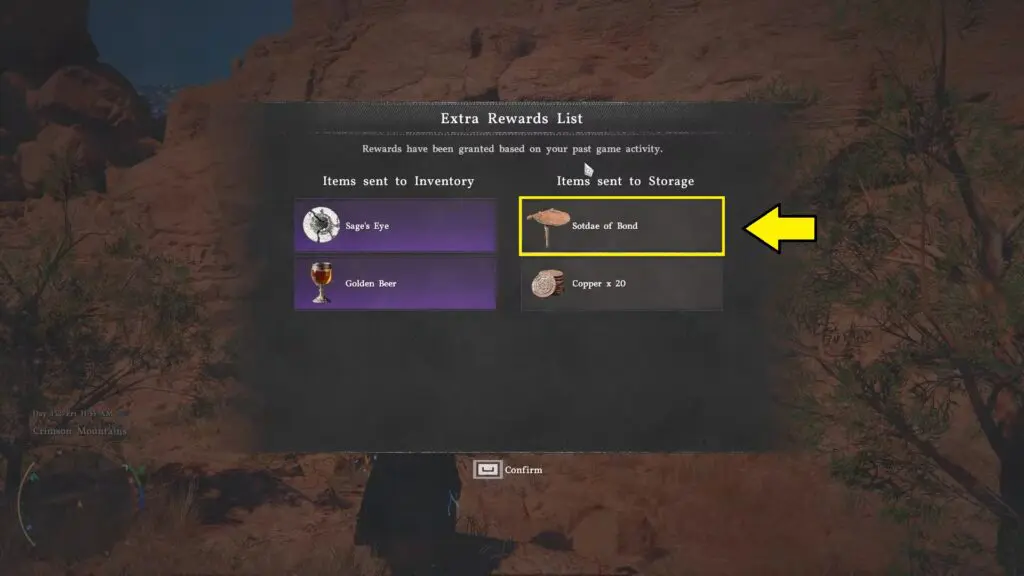
When you load into the game after the update, you should receive a Sotdae of Bond sent directly to your storage. Head to your camp at Howling Hill, where the game will give you a short tutorial on the bird taming system.
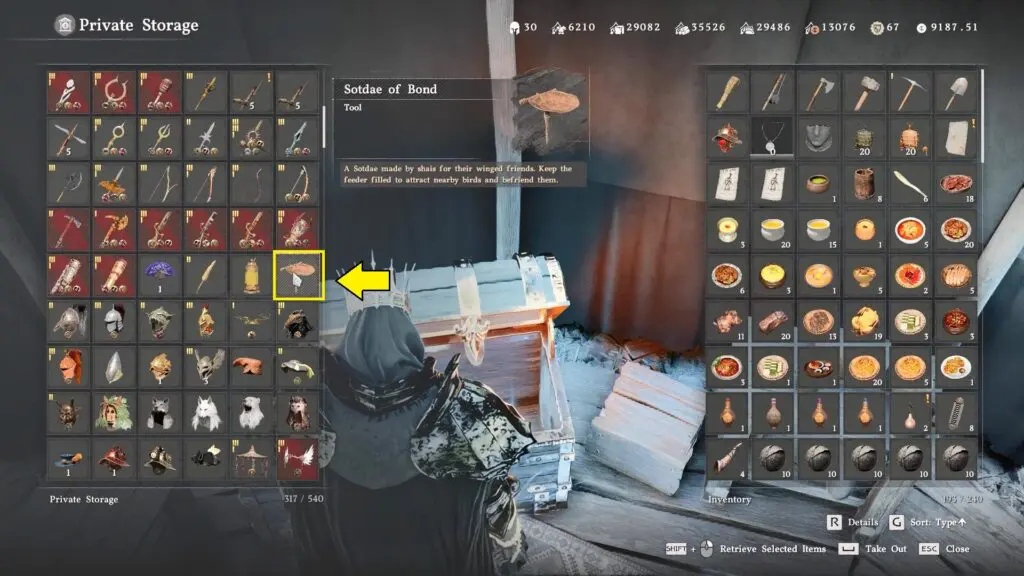
Go to the small tent and open your Private Storage. You will find the Sotdae of Bond. Take it out and put it in your inventory.

Step 2: Place the Bird Feeder
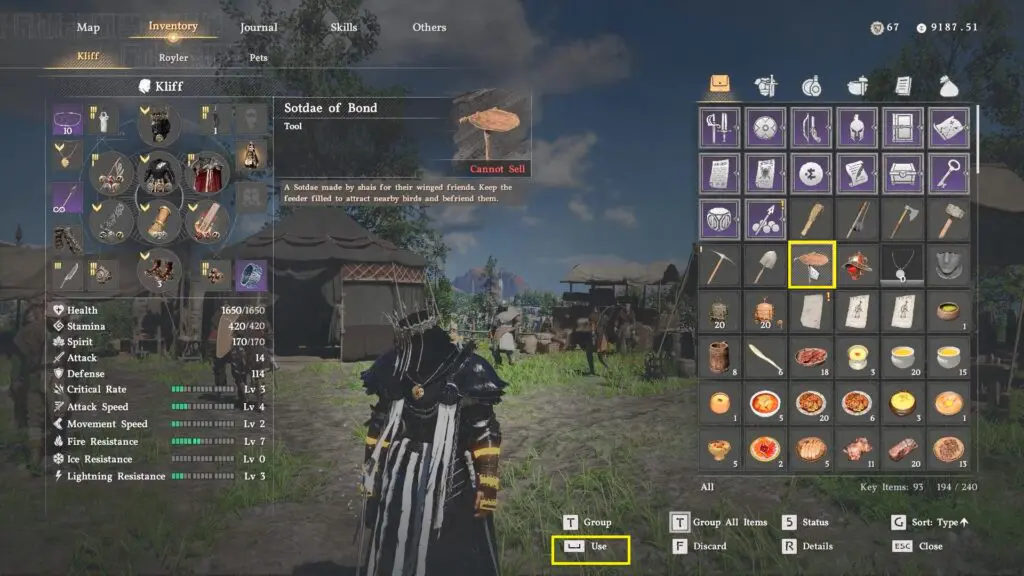
Once you have the Sotdae of Bond in your inventory, open your inventory and use the item. This gives you the option to place it in the world. Aim it at a spot in front of you and drop it down. The bird feeder is now set up and ready to be filled.
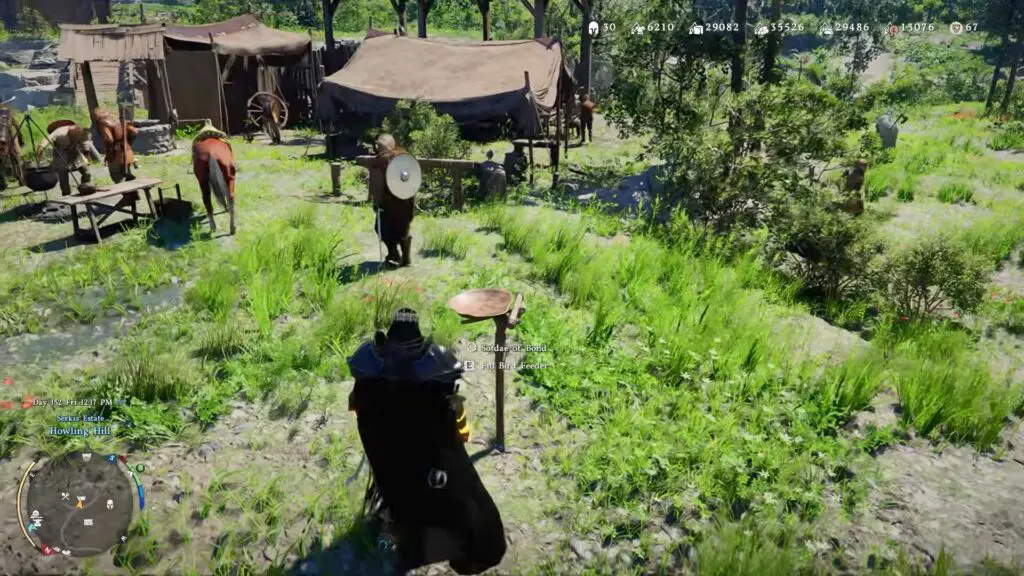
Step 3: Fill the Feeder with Food
Interact with the bird feeder and add food to it. Add food like Raspberries, apples, barley, and similar items. Once the food is added to the feeder, a bird will eventually show up and start eating.
As the bird feeds, a trust meter builds up in the top left corner of the screen. You can see that the bird is gaining trust points with each feeding. If the meter is filling slowly, open the feeder again and top it up with more food to keep the bird eating.
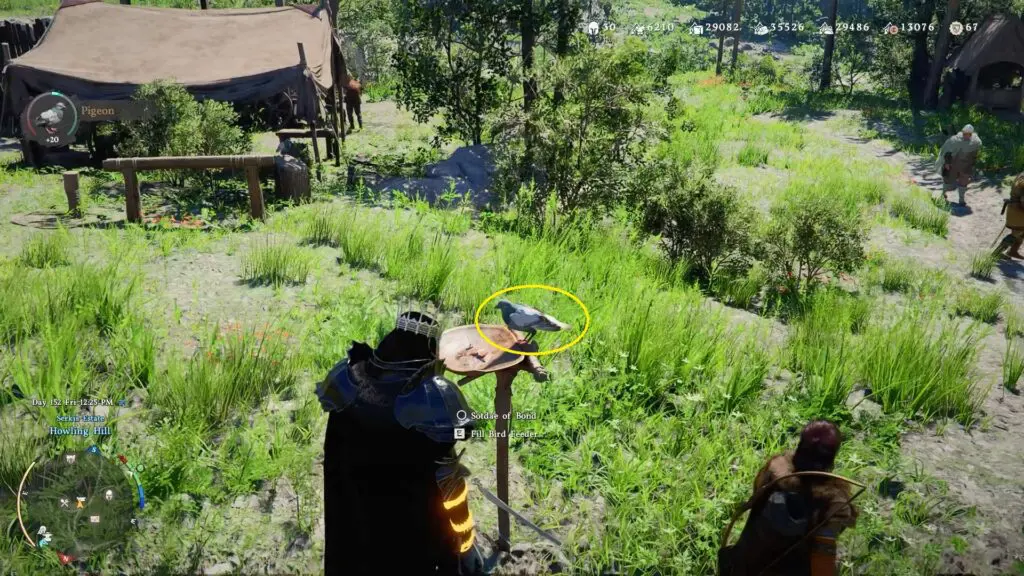
Step 4: Tame the Bird
Once the trust meter is full, walk over to the feeder and interact with the bird to tame it. It will then land on your arm and settle onto your shoulder.
Changing Birds and Getting Different Species
Different birds can show up each time you use the feeder. If you are not happy with the bird that appeared, simply remove the food from the feeder. The bird will notice the food is gone and fly away after a few seconds. You can then refill the feeder and wait for a new bird to land.
Species spotted so far include common pigeons, small sparrows, etc.